Atardecer en Parque Sur
A time-lapse study of clouds and the play of light over Madrid, made in July 2014.
Projects
Two ways of bending time in a photograph: sequences that compress hours into seconds, and still frames where a single small movement keeps repeating.
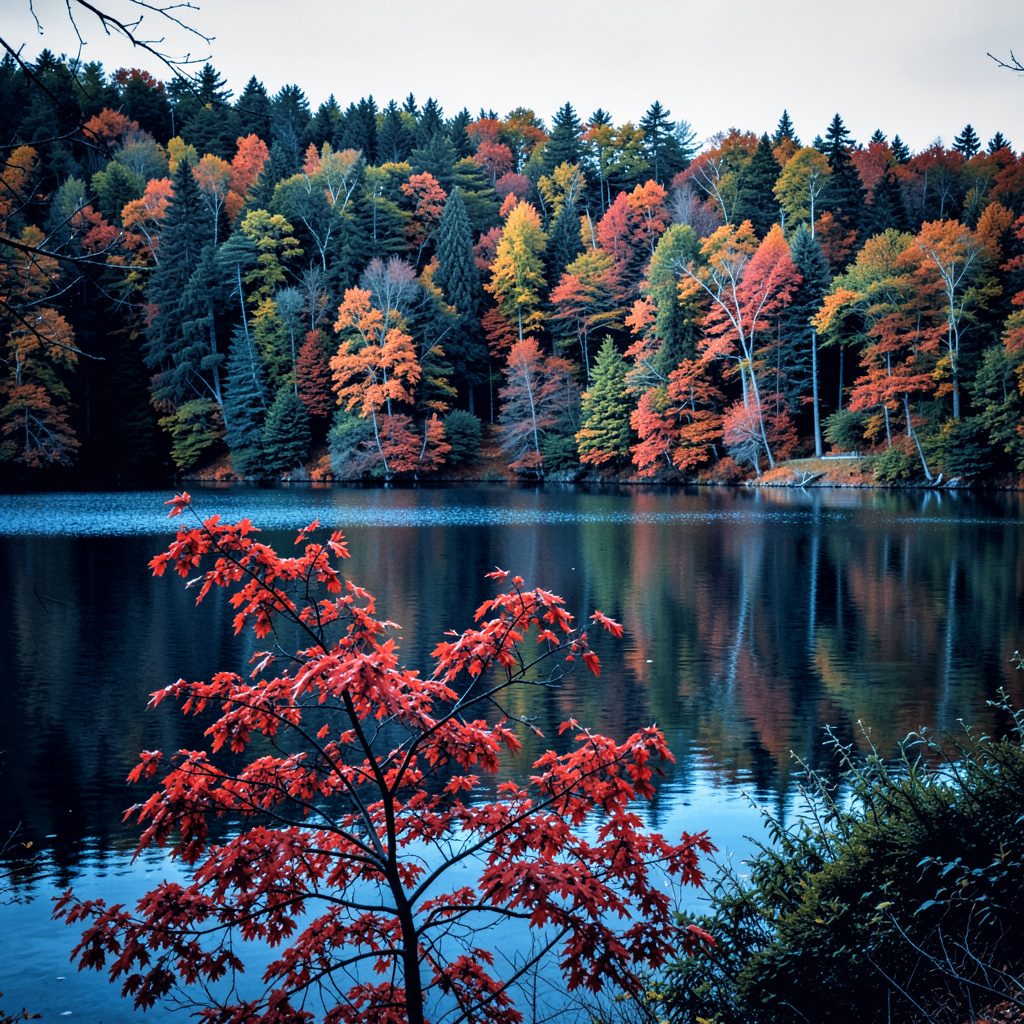
Time-lapse photography is a technique whereby the frequency at which film frames are captured — the frame rate — is much lower than that used to view the sequence. When played at normal speed, time appears to be moving faster and thus lapsing.
The result is a short piece in which clouds, light and traffic move at a pace the eye cannot follow in real life.
Time-lapse photography transforms the ordinary into the extraordinary by compressing long stretches of time into brief, mesmerizing sequences. The technique invites viewers to witness the subtle rhythms of the natural and urban world that are otherwise invisible to the naked eye. Clouds streak across the sky in flowing ribbons, shadows stretch and retreat across landscapes, and city lights flicker to life as dusk settles in. Each frame is carefully captured at intervals, then woven together to reveal the quiet pulse of a place. It is a method that rewards patience and observation, turning hours of waiting into seconds of pure visual storytelling.
Cinemagraphs occupy a unique space between still photography and moving image, capturing a single moment where one small detail continues to breathe with motion. A strand of hair stirred by the wind, steam rising from a cup, or leaves trembling in a breeze become the focal point while the rest of the frame remains frozen in time. This subtle animation draws the eye and invites contemplation, creating a hypnotic loop that feels both intimate and timeless. The result is a living photograph that preserves the stillness of a scene while hinting at the life that continues just beyond the frame.
Both time-lapse and cinemagraph techniques reflect a deep curiosity about how we perceive time and movement through the lens of a camera. They challenge the traditional notion of a photograph as a single frozen instant, instead offering expanded ways to experience a moment. These projects require a thoughtful approach to composition, light, and pacing, as well as a willingness to experiment with technology and storytelling. Whether capturing the slow crawl of stars across the night sky or the gentle sway of grass in a field, each piece becomes a meditation on the passage of time and the beauty found in its unfolding.
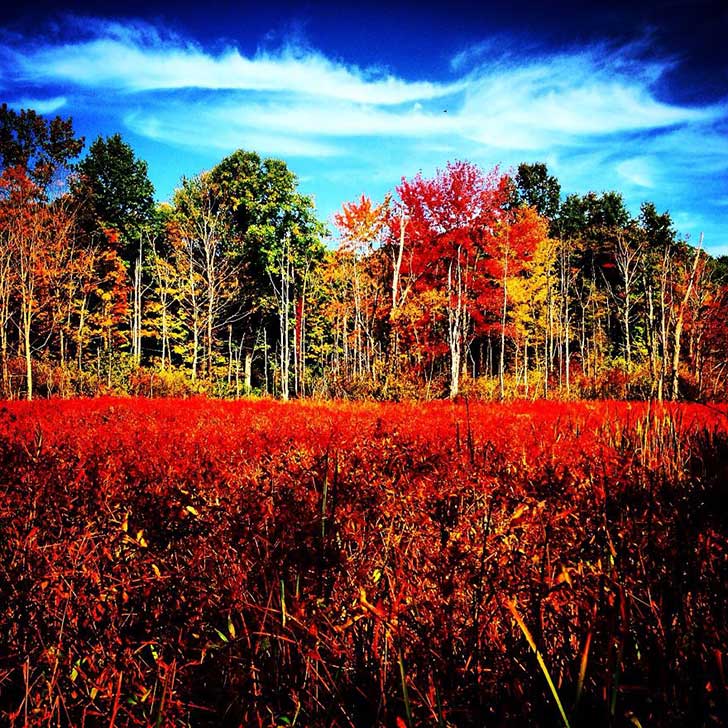
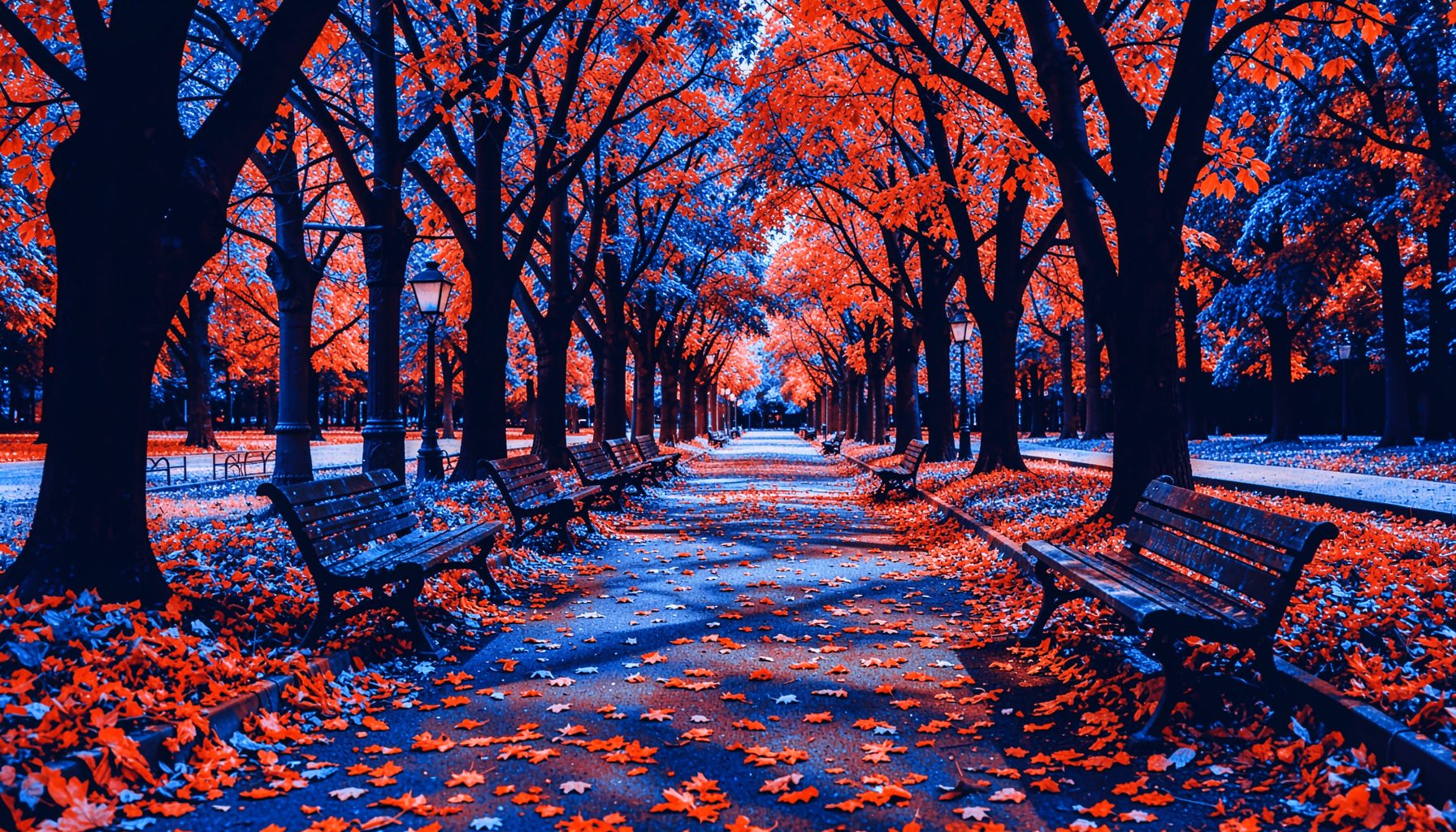
Cinemagraphs are still photographs in which a minor and repeated movement occurs. Usually published in an animated GIF format, they can give the illusion that the viewer is watching a video.
Everything holds still except one small detail — a swaying branch, a drifting cloud — which keeps the frame quietly alive.
A time-lapse study of clouds and the play of light over Madrid, made in July 2014.
Cinemagraph pieces are published as animated GIFs, so the repeated movement loops without a player.
This piece sits alongside the other themed projects in the portfolio, including Camila´s Photography and Mobile Photography.