Landscape
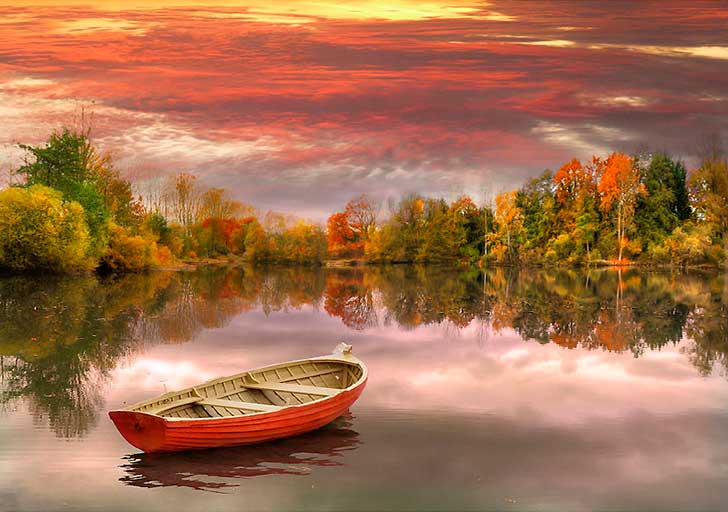
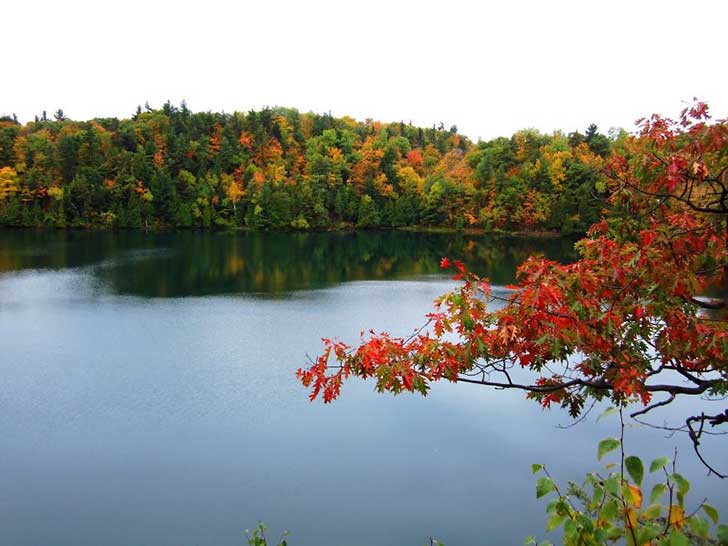
Open views, hillsides and the changing light of the seasons.
To peer into small places, to absorb the sights around me. Here I share my visions with you.
Explore the gallery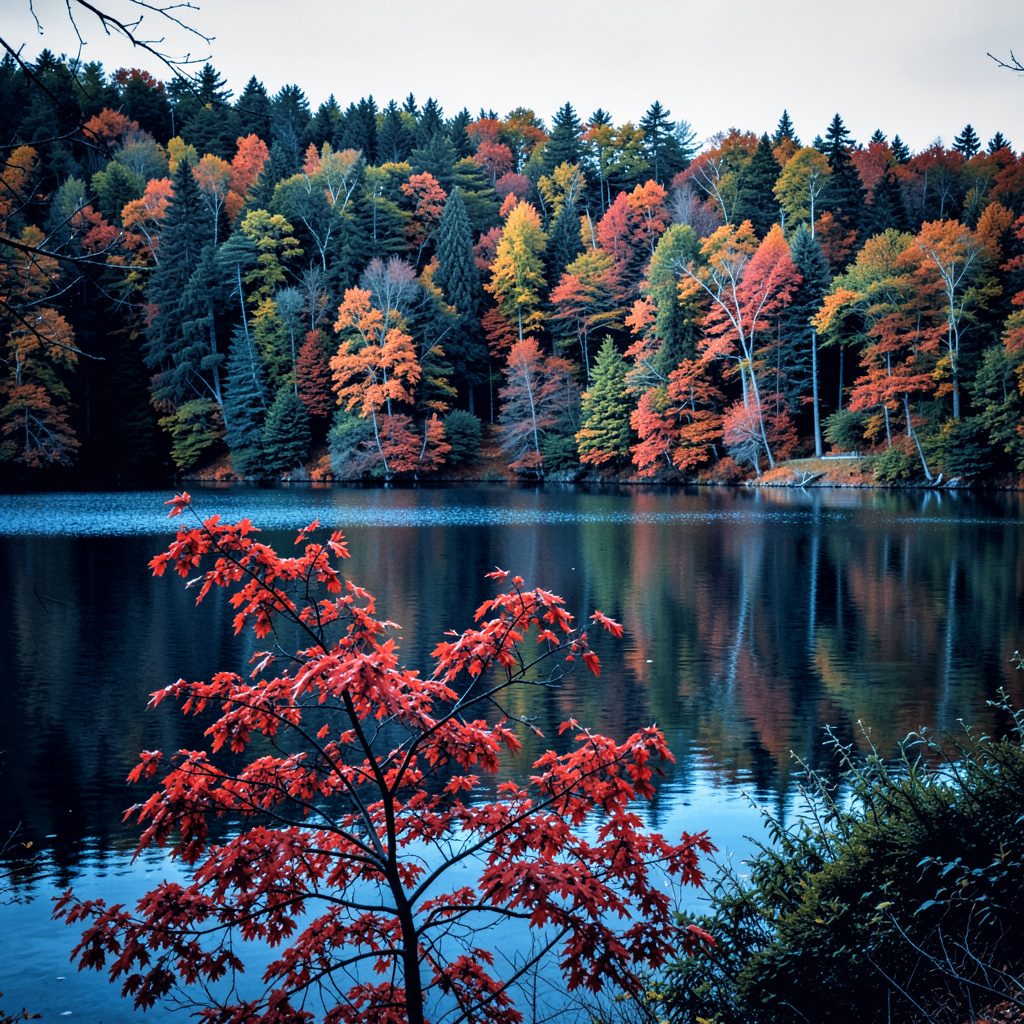
Juan Carlos Heredia is a computer system engineer and a hobbyist photographer who loves making photographs and traveling. This space is where that creativity is let loose, illustrating day-to-day life, trips, tours and other events.
Images are grouped by genre — Urbanscape, Landscape, Abstract, People, Nature and Portraits — and daily work is organized by year from 2011 to 2015. Thematic projects include Camila´s Photography, Timelapse | Cinemagraphs and Mobile Photography.
Read morePhotography, for many people, begins as a simple habit and quietly turns into a way of seeing. A camera carried on ordinary days teaches the eye to slow down, to notice the way light falls across a wall, or how a stranger's posture tells a small story. This space grew out of that gradual shift, from snapping pictures to genuinely looking. Here the everyday is treated as worth attention, and the ordinary streets, skies and faces around us become material for reflection. The aim is not spectacle but presence, a reminder that curiosity is often the most useful piece of equipment a photographer can carry.
Daily photographs form the backbone of any ongoing practice, and they are often the least glamorous and most honest work. Shooting regularly, without waiting for a perfect trip or a special occasion, builds a kind of visual muscle. Small scenes accumulate into a record of how a place feels over time, capturing moods that a single grand image could never hold. These everyday frames rarely announce themselves, yet together they show the rhythm of a life and the slow drift of seasons. Keeping a daily habit keeps the eye sharp and keeps the camera close, ready for whatever the day happens to offer.
Travel changes the way a photographer looks, mostly because everything is unfamiliar again. New streets, different light, unknown faces and unfamiliar architecture all ask to be examined carefully. On the road, the temptation is to collect landmarks, but the more lasting images tend to come from quieter moments, a doorway, a market stall, a pause on a busy corner. Moving through another place encourages patience and humility, since nothing can be assumed. Travel photography is less about documenting a destination than about describing the experience of being briefly, curiously present somewhere else.
Organizing photographs by genre helps give shape to a body of work that would otherwise feel scattered. Urbanscape gathers the built environment, the geometry of streets and the layered life of cities. Landscape turns toward open space, weather and horizon. Abstract work steps away from description and plays with shape, texture and color for their own sake. People and Portraits bring attention to faces and gestures, while Nature returns to the living world. Grouping images this way lets viewers follow a particular thread and lets the photographer notice which subjects keep drawing the eye back.
Some ideas need more than a single frame, which is where thematic projects come in. A project gives a photographer a reason to return to the same question again and again, building a set of images that speak to one another. Themes can grow from a place, a person, a mood or a technique, and they often reveal themselves only after several attempts. Working in series encourages consistency and patience, and it makes the editing process more honest, since each picture must earn its place beside the others. Projects also give shape to curiosity, turning scattered experiments into something considered and complete.
The camera is a modest tool with an outsized effect on attention. Carrying one changes the walk home, the wait at a station, the glance out of a window. It teaches the eye to peer into small places, to notice detail that would otherwise pass unnoticed, and to absorb the sights around us rather than hurry past them. This is the quiet value of a photographic habit: it does not require expensive gear or distant destinations, only the willingness to look closely and often. Over time, that practice reshapes how the world appears, even when no camera is in hand.
Presentation matters as much as capture, and a gallery should feel calm and unhurried. Generous white space, soft tones and simple navigation let the photographs breathe instead of competing for attention. Images deserve room around them, and viewers deserve an experience that does not rush them from one frame to the next. A restrained design keeps the focus where it belongs, on the pictures themselves, while still making it easy to browse by theme or by year. The goal is an approachable space that invites lingering, returning and looking again at whatever catches the eye.
Photography as a hobby carries a particular freedom, since there is no client, deadline or brief to satisfy. That freedom allows experimentation, mistakes and detours, and it keeps the pleasure of making images intact. For someone with a technical background, the camera offers a different kind of problem solving, one grounded in observation rather than logic. Sharing that work publicly turns a private practice into a conversation, an invitation for others to see what caught the eye. This space exists for that exchange, a place where curiosity, travel and everyday life are gathered and offered openly to anyone who cares to look.
Follow subjects such as beach, building, landscape, madrid, people, sunset and urban.
Tag cloudSix collections organized by subject matter, from city streets to quiet landscapes and portraits.
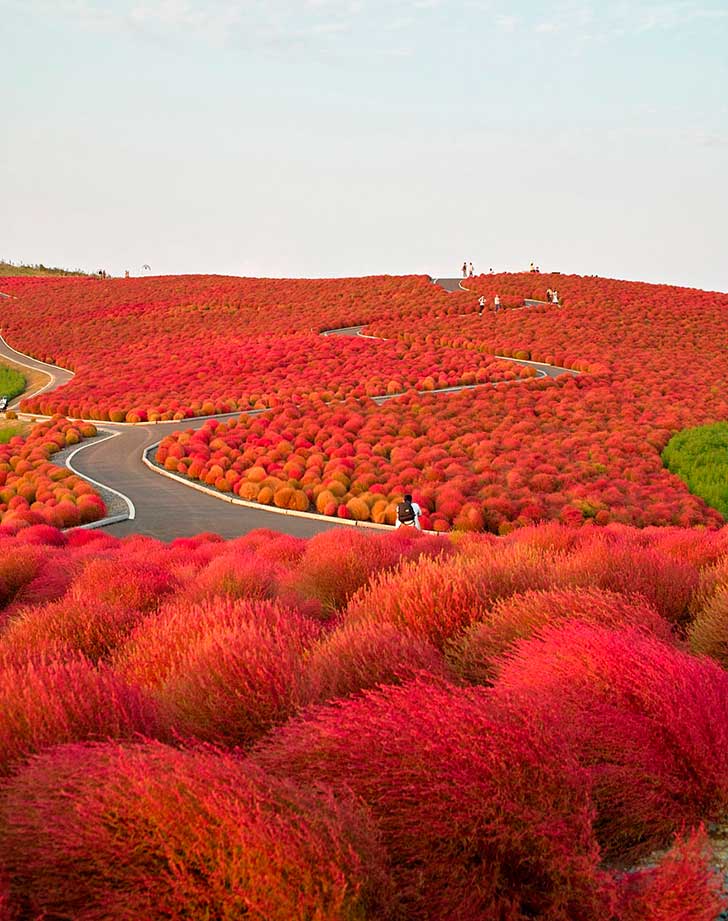
Open views, hillsides and the changing light of the seasons.
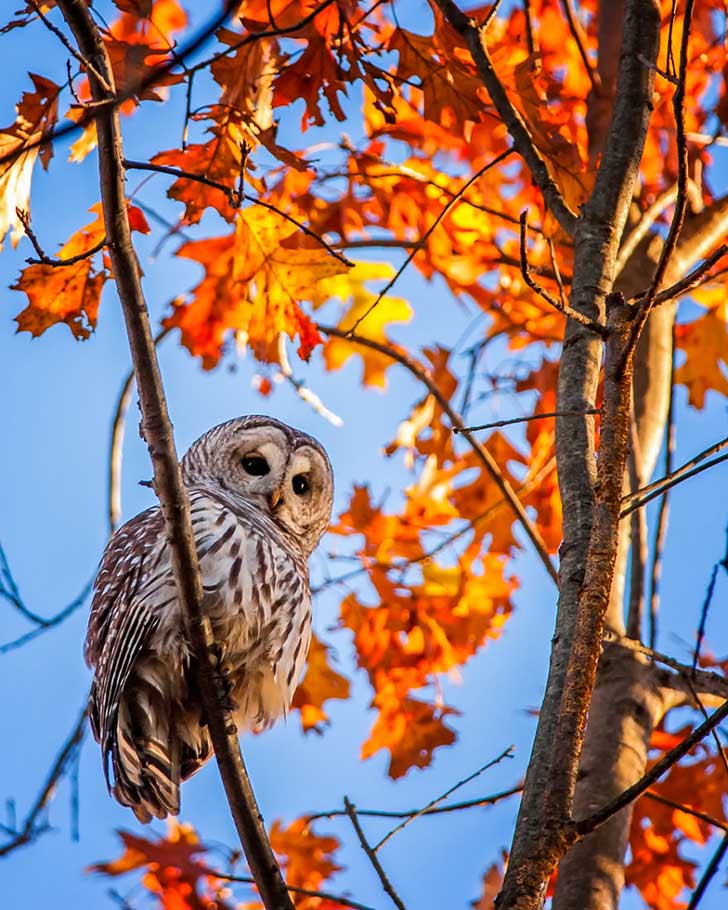
Wildlife and foliage, observed closely and patiently.
City structures, textures and details that catch the eye.
Time-lapse photography captures frames at a much lower frequency than they are played back, so time appears to move faster. Cinemagraphs are still photographs with a minor, repeated movement, usually published as an animated GIF.
One example is Atardecer en Parque Sur, documenting clouds and light play in Madrid in July 2014.